Planned location and scale
The organisation envisions developing the Rescue & Rehabilitation Home on approximately 10 acres of property, with a planned capacity to support up to 100 children and 100 adults at a time when the appropriate facilities, staffing, approvals and resources are in place. Accommodation should be appropriately separated according to age, gender, safeguarding requirements, family circumstances and individual risk assessment.
What residents may receive
- Safe accommodation - Temporary residential care in an environment designed around safety, privacy and dignity.
- Food and nutrition - Regular meals and nutrition support based on available resources and individual needs.
- Clothing and personal care - Essential clothing, footwear, bedding and hygiene items.
- Healthcare referrals - Connection to the Wings Healthcare & Wellness programme and other qualified health providers as appropriate.
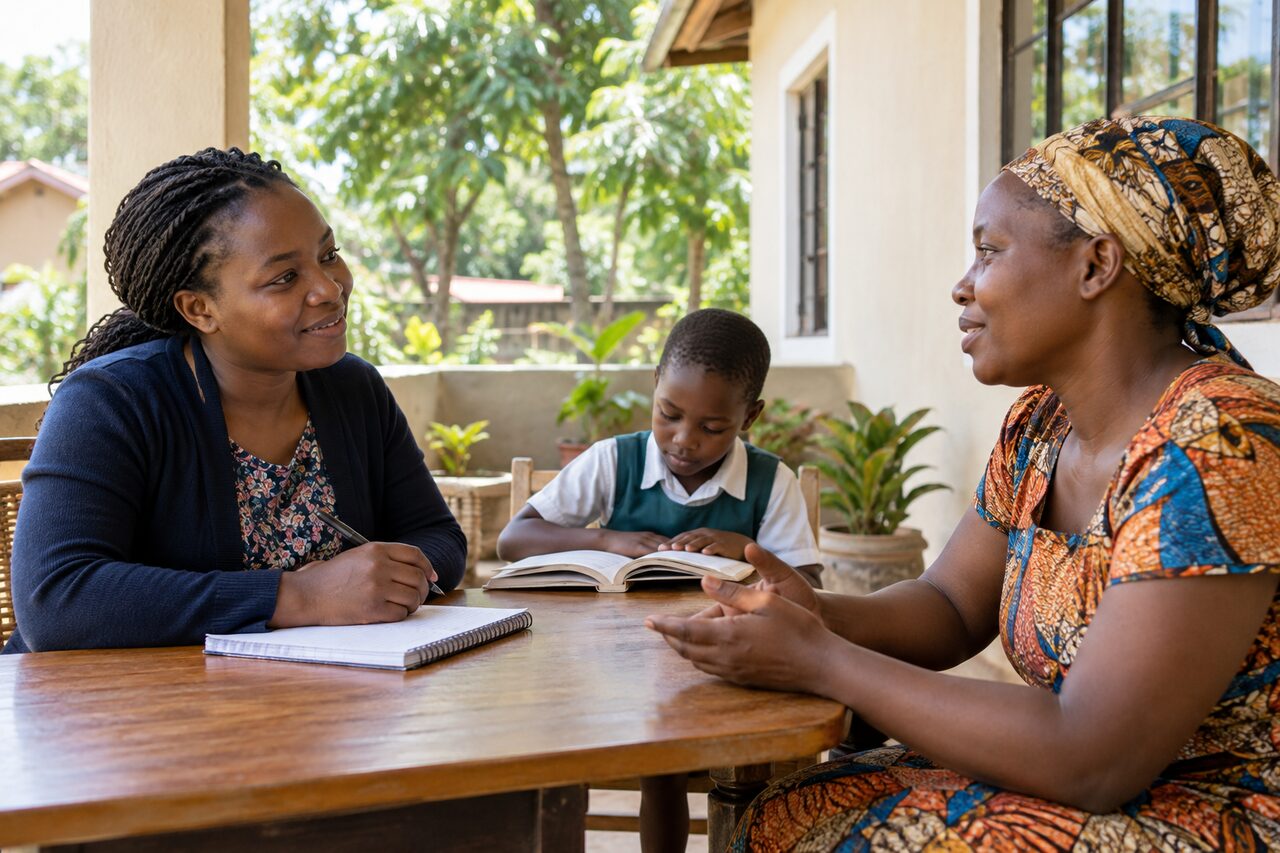
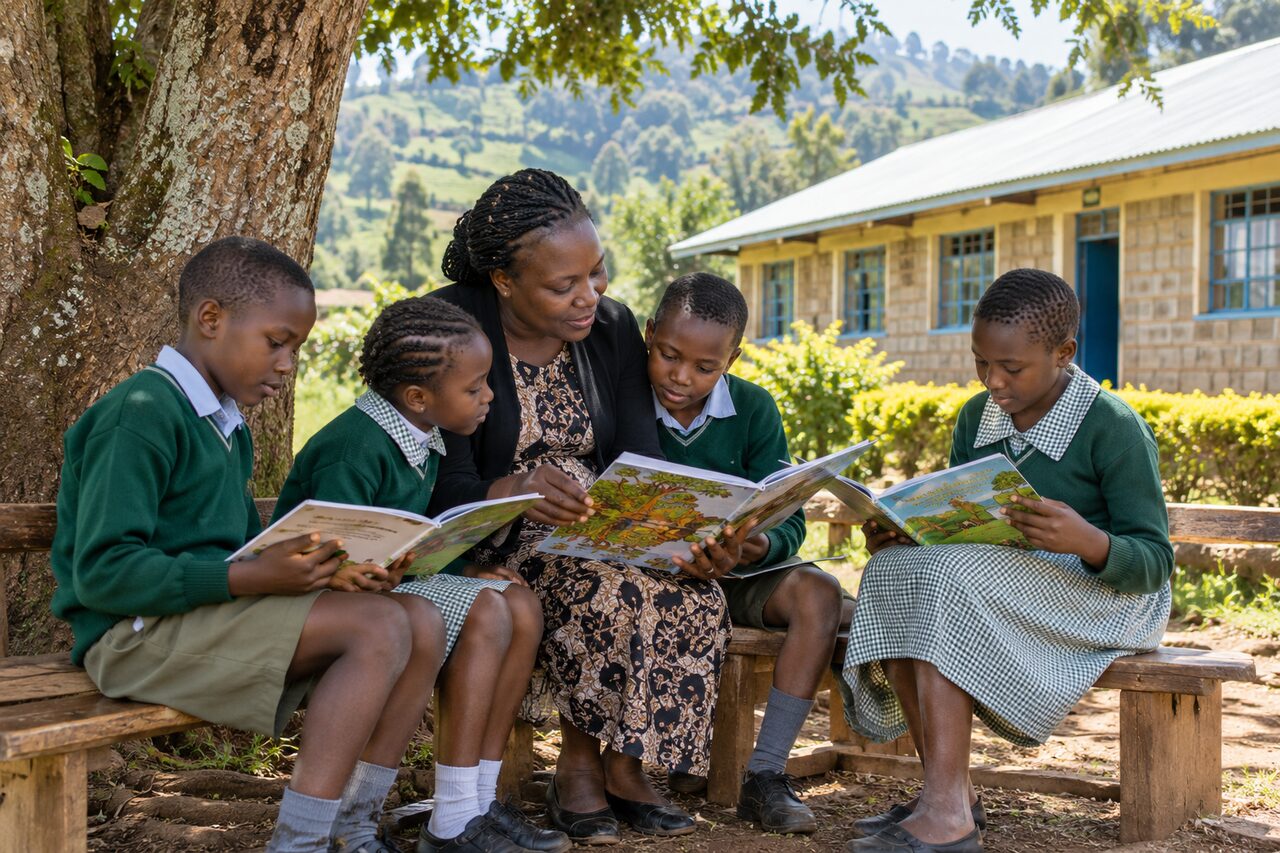
- Education support - School enrolment, school-fee assistance, learning materials and educational continuity where possible.
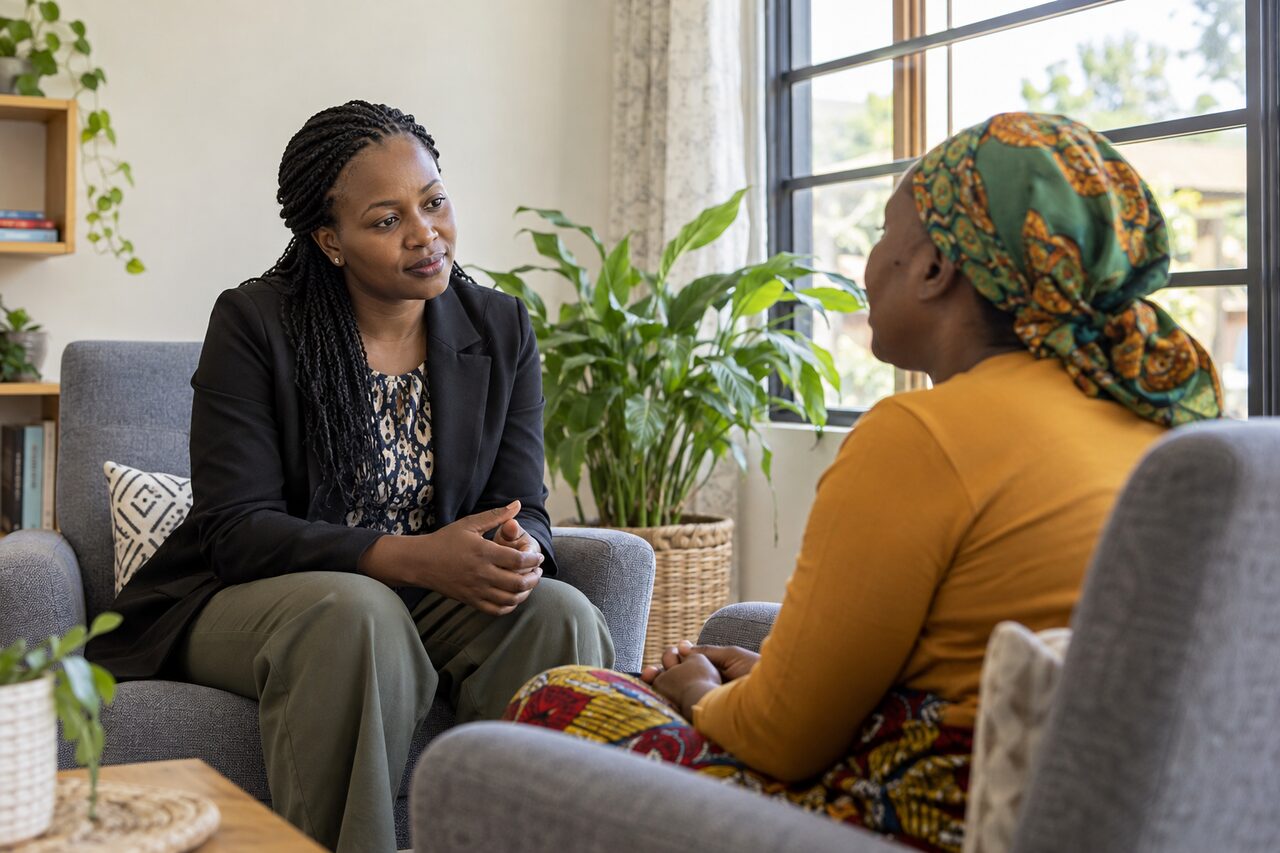
- Psychosocial care - Counselling, emotional support, mentorship and specialist referrals where needed.
- Case management - Individual assessment, care planning, progress review and transition planning.
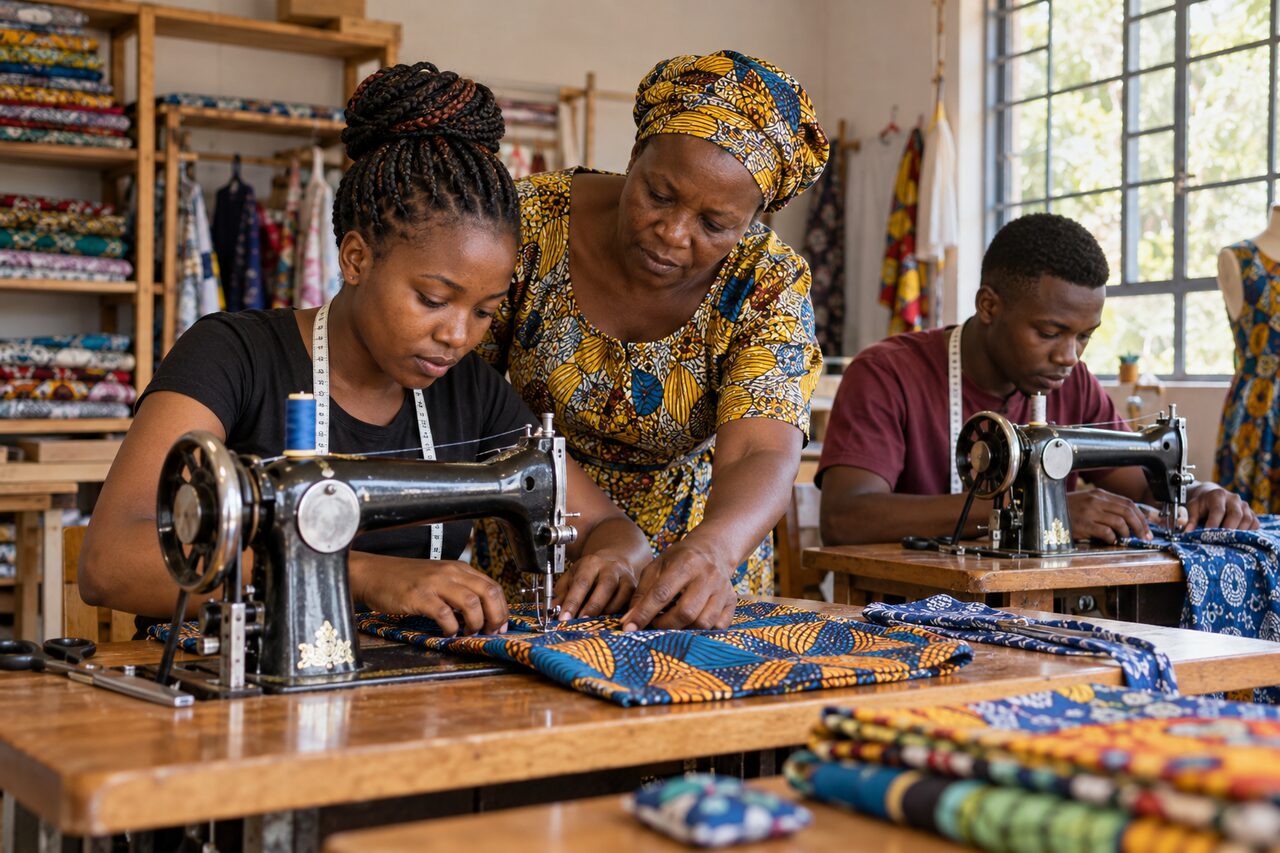
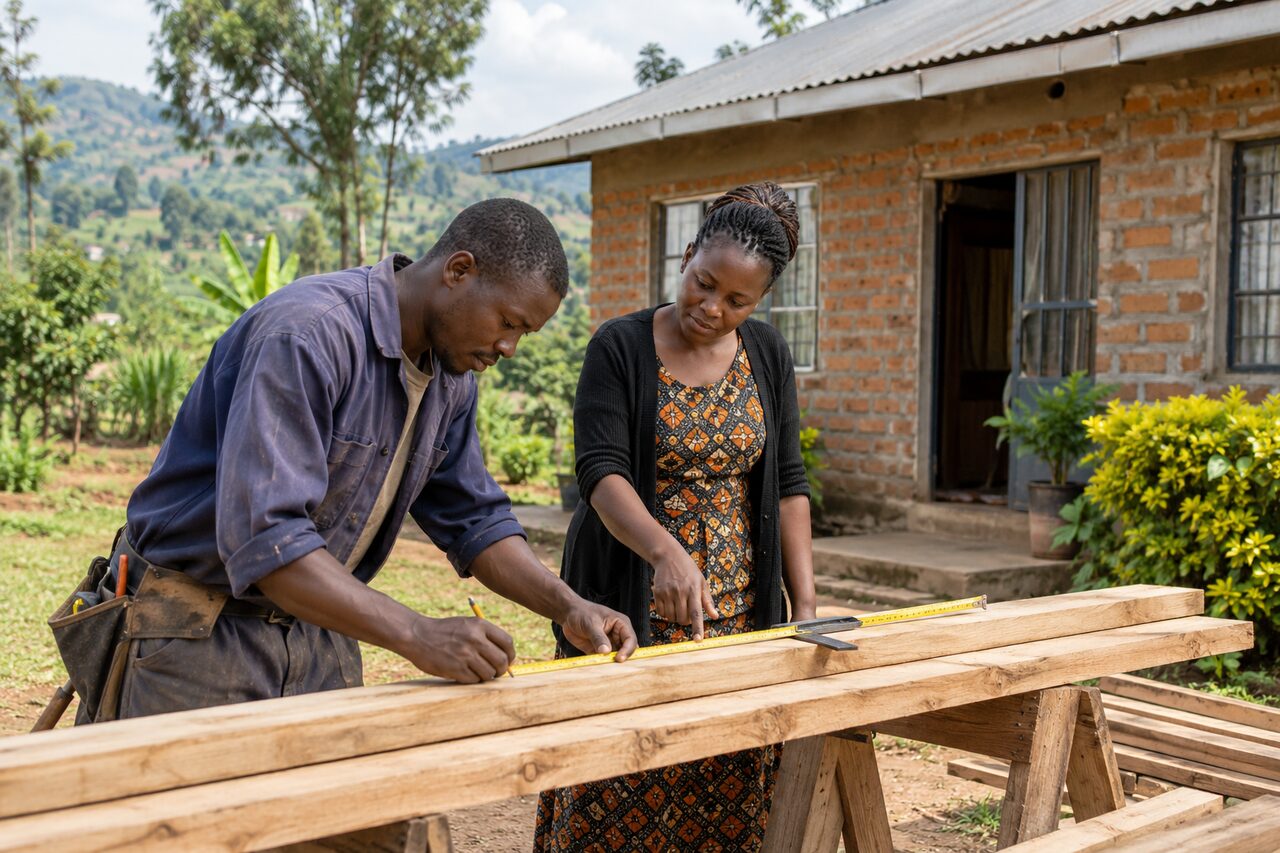
- Life and livelihood skills - Preparation for responsible, increasingly independent living when appropriate.
Individual care planning
Every resident should have an individual support plan based on their history, risks, strengths and goals. A plan may include immediate safety measures, medical referrals, psychosocial support, education planning, documentation needs, family contact, livelihood preparation and an exit or reintegration pathway.
Family tracing and reintegration
Where safe, lawful and in the beneficiary's best interests, the Centre may work with families, communities, recognised service providers and relevant authorities to explore family tracing, family strengthening and reintegration. Reintegration should never be based solely on the availability of a family member; safety and suitability must be assessed.
Preparing for independent living
For adults and older youth who are able to participate, rehabilitation may include life skills, financial literacy, vocational preparation, agriculture, entrepreneurship support, job-readiness training and connection to the Livelihood & Empowerment department or other qualified partners.
Planned campus components
- Children's residential units
- Adult residential units
- Separate support for vulnerable elderly residents where appropriate
- Reception and administration
- Counselling and case-management rooms
- Clinic or first-aid/referral point
- Kitchen and dining facilities
- Children's Resource Centre
- Study and education rooms
- Vocational and skills-training areas
- Sports, recreation and playground areas
- Gardens and agricultural demonstration areas
- Laundry and sanitation facilities
- Staff support areas
- Security and controlled visitor access
- Multipurpose and worship spaces where appropriate
Safeguarding inside the Rescue Home
Residential support requires strong systems for safe recruitment, staff vetting, supervision, visitor control, child and vulnerable-adult protection, medication management, confidentiality, incident reporting, complaints, photography and media consent, fire safety, health procedures and appropriate separation of residents.