Who we are
Wings For The Nations is a non-profit charitable organisation committed to improving lives and strengthening communities through compassionate, sustainable and community-centred programmes. The Rescue & Rehabilitation Centre is the organisation's dedicated response to people facing severe vulnerability, unsafe living conditions, trauma, homelessness, abandonment, abuse, poverty and social exclusion. Our work combines immediate relief with longer-term rehabilitation. We seek to respond to urgent needs while helping individuals and families rebuild the stability, relationships, skills and opportunities required for a safer future.
Our non-profit commitment
All income, donations, grants, gifts and other resources received by Wings For The Nations are used solely to advance the organisation's charitable mission, objectives and approved programme activities. No part of the organisation's assets or finances is intended for private distribution or personal benefit, except for legitimate programme expenses, professional services, staff costs and lawful operational requirements necessary to carry out the mission.
Our mission
To rescue, protect, rehabilitate and empower vulnerable children, adults, elderly persons and families by providing safe shelter, basic necessities, psychosocial support, education assistance, healthcare referrals, housing support and pathways toward dignified, sustainable living.
Our vision
Communities in which vulnerable people are protected, restored to dignity, supported toward wholeness and equipped to participate in safe, stable and productive lives.
Our guiding values
- Dignity - Every person should be treated with respect, privacy and compassion.
- Safety - Protection from harm is central to every intervention.
- Compassion - We respond to suffering with practical care, patience and humanity.
- Integrity - We aim to use resources responsibly, communicate honestly and act accountably.
- Restoration - We believe crisis does not have to define a person's future.
- Participation - Where appropriate, beneficiaries are involved in decisions about their care and next steps.
- Collaboration - Complex needs require responsible partnership with families, communities, professionals, government agencies and other organisations.
- Sustainability - We seek pathways that reduce long-term dependency and strengthen safe self-reliance.
Our rehabilitation pathway
Rescue -> Stabilisation -> Healing -> Rehabilitation -> Reintegration -> Independence The exact pathway differs for every person. Some beneficiaries may need only short-term community support. Others may require residential protection, case management and longer rehabilitation. Children, survivors of violence, elderly persons and people with specialised needs require approaches appropriate to their age, safety and legal context.
1. Rescue and immediate protection
We respond to urgent needs by helping identify a safe next step. This may involve a referral, emergency support, temporary accommodation or coordination with appropriate authorities and specialised providers.
2. Stabilisation
Once immediate danger is reduced, we focus on essentials such as food, clothing, safe shelter, hygiene, medical attention, emotional support and documentation of key needs.
3. Healing
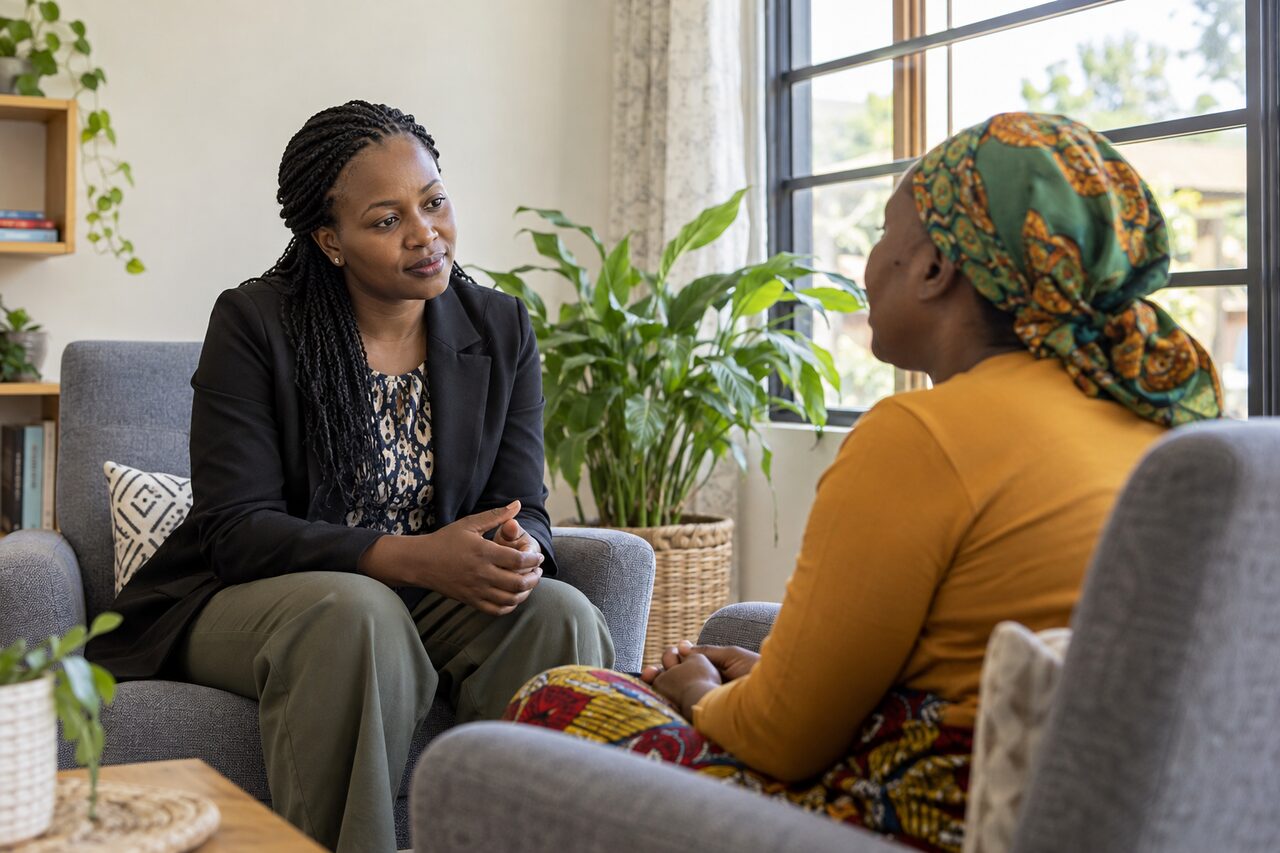
Trauma, grief, abuse, rejection and prolonged hardship can affect emotional wellbeing. Appropriate psychosocial care may include counselling, mentorship, support groups and referral to qualified professionals.
4. Rehabilitation
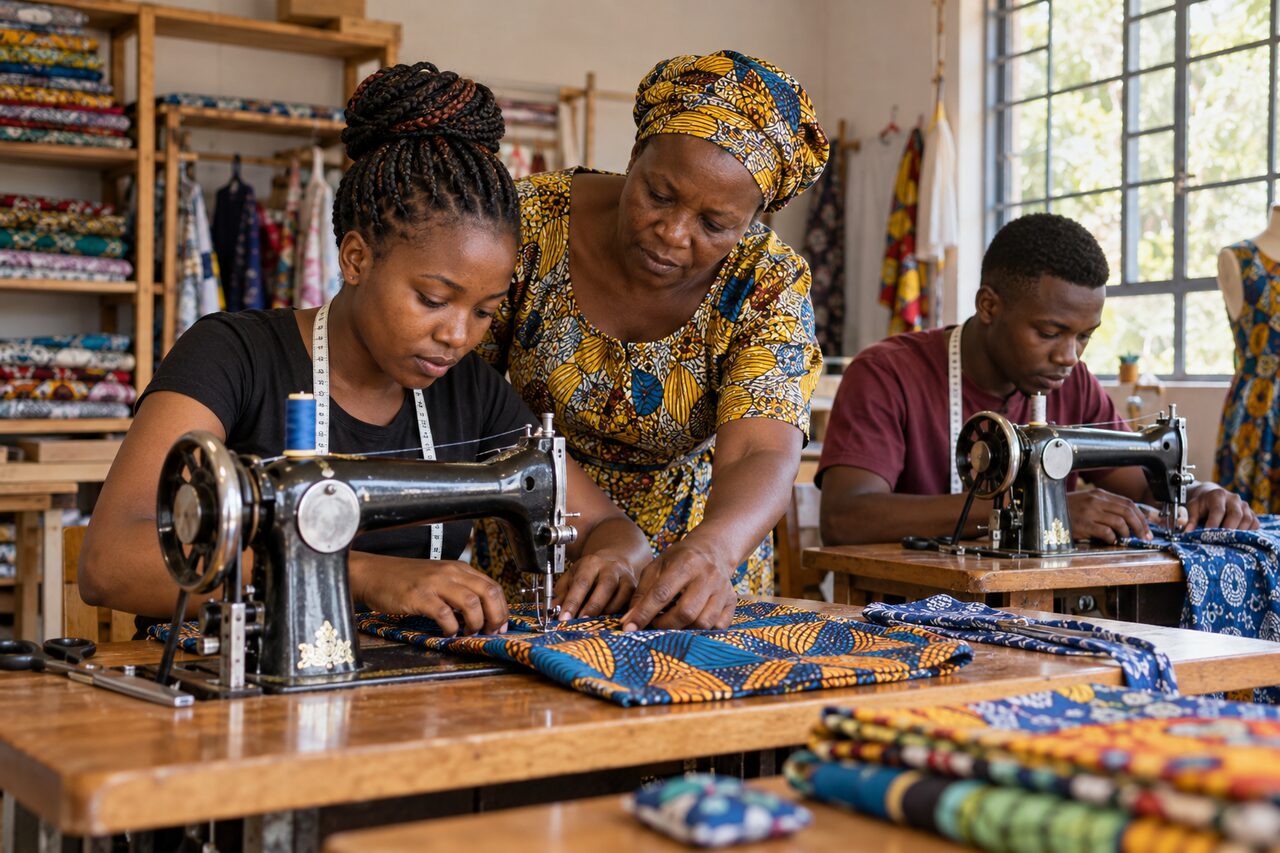
Rehabilitation helps rebuild daily routines, confidence, life skills, education, family relationships and practical capacity for a more stable future.
5. Reintegration
Where safe and appropriate, beneficiaries may transition back to family or community life, move into supported housing or prepare for independent living.
6. Follow-up and independence
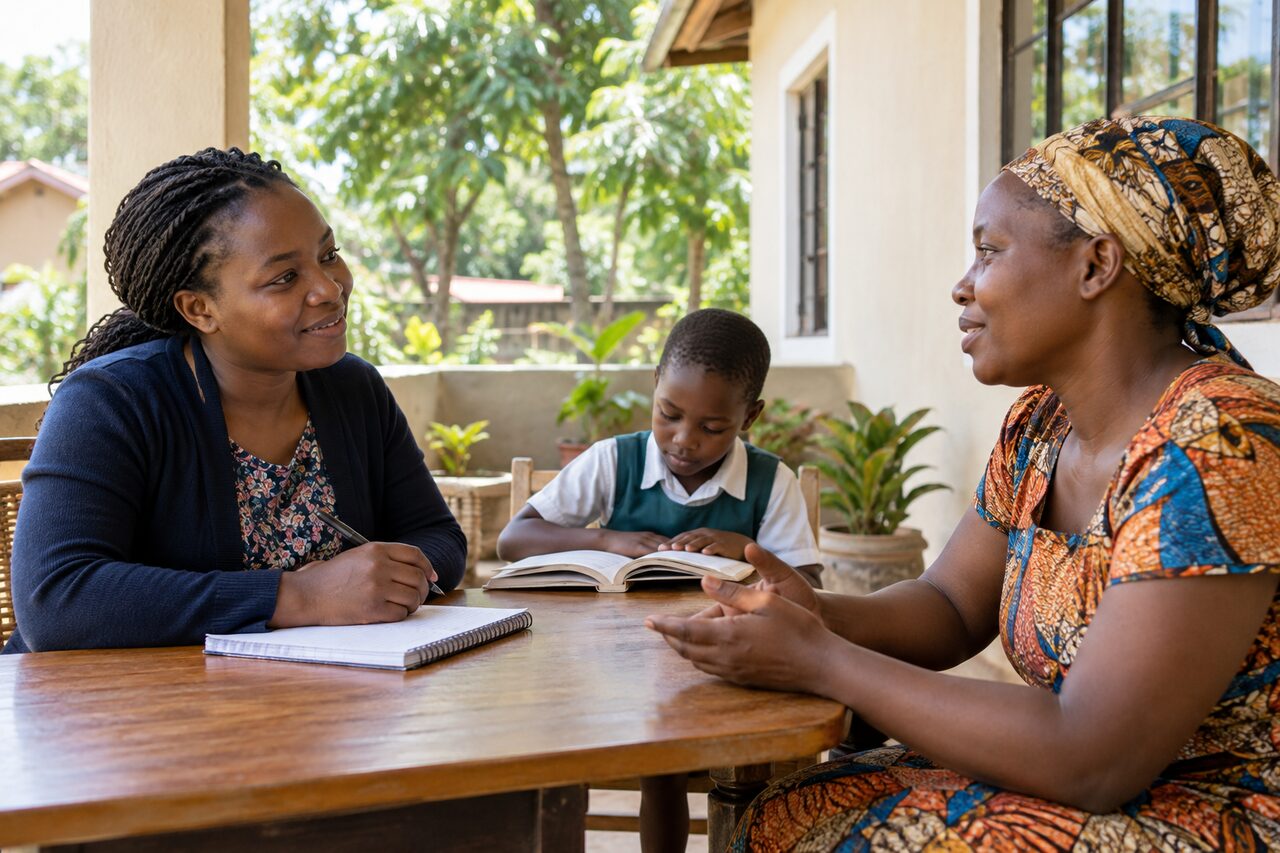
Follow-up helps identify new risks, strengthen stability and connect individuals to education, livelihood, health or community support when needed.
Safeguarding commitment
Wings For The Nations is committed to creating environments in which children and vulnerable adults are protected from abuse, exploitation, neglect, harassment and discrimination. Our programmes should operate under clear safeguarding, referral, confidentiality, visitor-management and incident-reporting procedures, supported by trained staff and responsible partner relationships.