Healing Is More Than Meeting Physical Needs
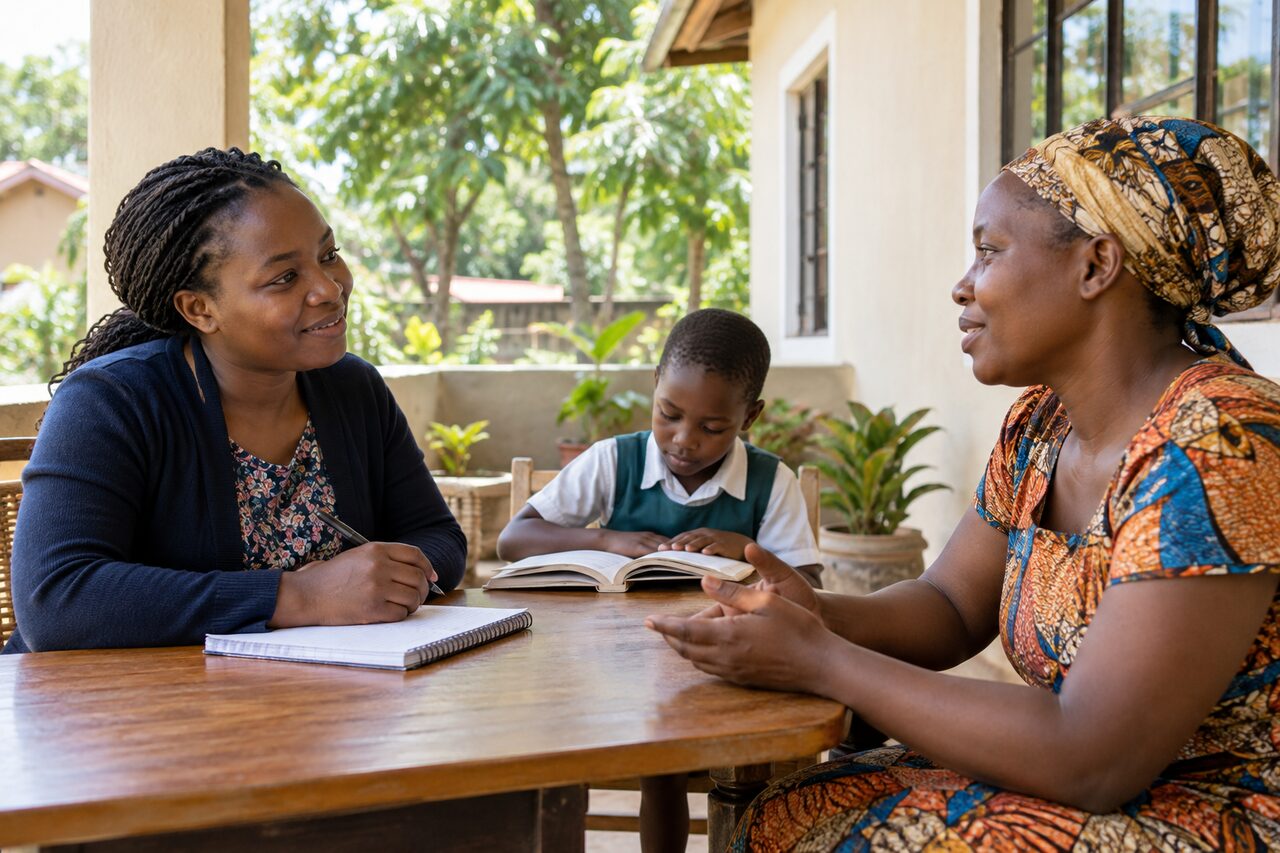
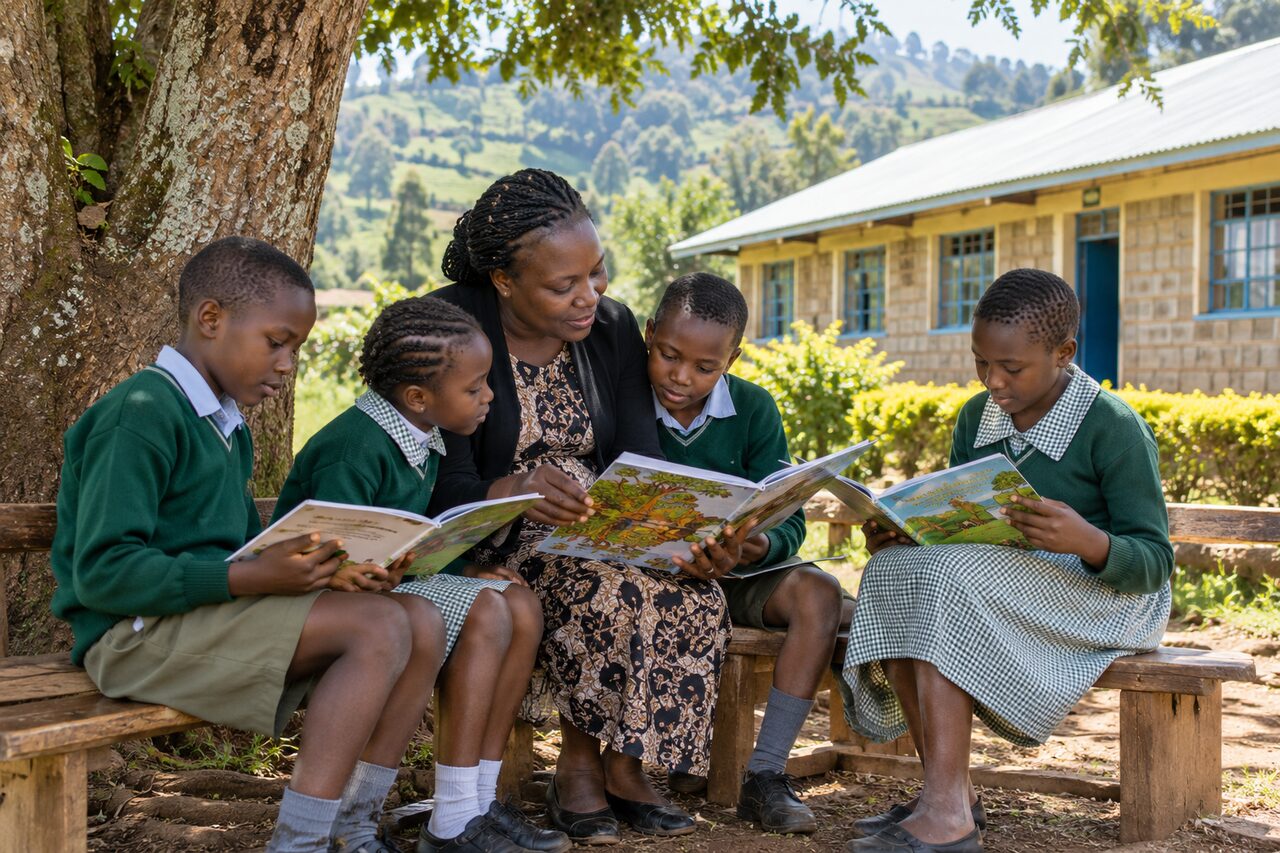
A safe bed and a meal can stabilise a crisis, but many people arriving from abuse, abandonment, violence, homelessness or prolonged hardship also carry fear, grief, shame, disrupted relationships and loss of confidence. Rehabilitation must therefore support both practical and emotional recovery.
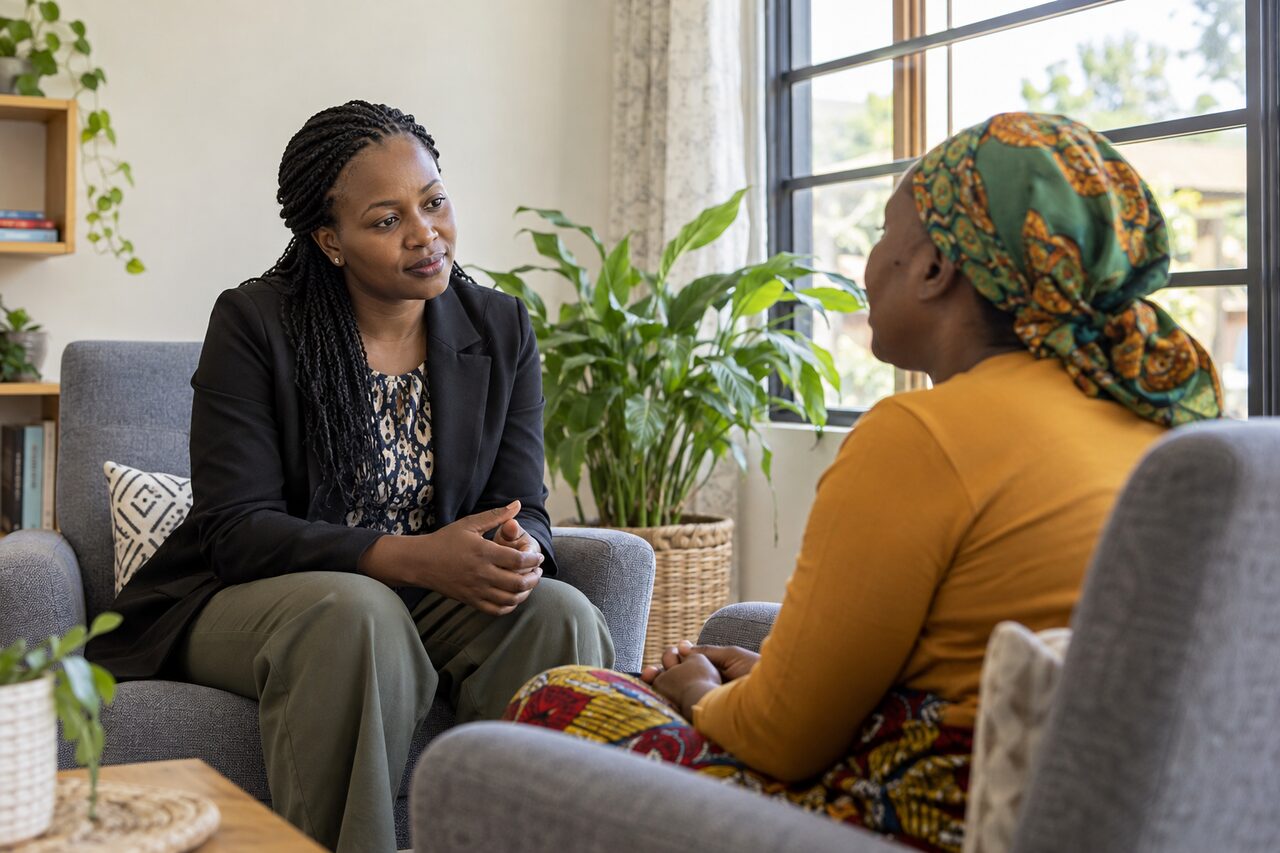
Psychosocial support may include
- Individual supportive counselling
- Trauma-informed emotional support
- Age-appropriate child support
- Group sessions where appropriate
- Mentorship
- Family counselling or family-strengthening support
- Support groups
- Grief and loss support
- Referral to qualified mental-health professionals
- Referral to specialised gender-based violence or child-protection services
Case management
- Case management helps turn many separate services into one coordinated rehabilitation plan. Each person's needs are assessed, prioritised and reviewed over time so that support is purposeful rather than fragmented.
- Initial assessment
- Risk and safety planning
- Immediate-needs assessment
- Medical or protection referrals
- Education assessment
- Family and social-support mapping
- Goal setting
- Reintegration or independent-living planning
- Progress reviews
- Exit planning and follow-up
Survivor-centred support
Survivors of rape, sexual abuse and gender-based violence should be treated with confidentiality, respect, informed consent and choice. The survivor should never be blamed for violence experienced. Where urgent medical, legal, protection or forensic services are required, referrals should be made promptly through appropriate professional pathways.
Faith and emotional care
As part of the wider Wings For The Nations mission, beneficiaries may have access to voluntary spiritual encouragement and pastoral support where appropriate. Essential services, protection and basic care should not depend on participation in religious activities.